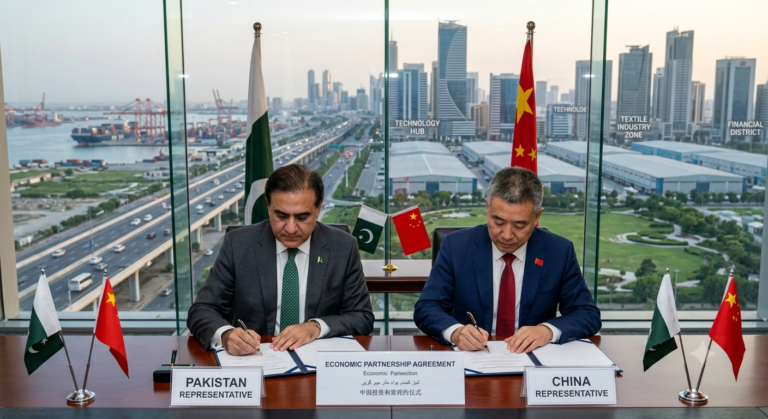
Pakistan’s growing economic partnership with China continues to attract attention, with investment announcements worth more than $20 billion signaling renewed confidence in the country’s long-term potential. While many of these planned investments focus on technology, manufacturing, energy, agriculture, and infrastructure, they could also create ripple effects across Pakistan’s real estate sector.
For property investors, major foreign investment is often more than just a headline—it can be an early indicator of future demand, urban expansion, and rising commercial activity.
Why Foreign Investment Matters for Real Estate
When international companies commit to developing industries and infrastructure, they bring more than capital. New businesses create jobs, increase demand for office space, encourage housing development, and improve surrounding infrastructure. As economic activity grows, nearby residential and commercial properties often become more attractive to buyers and investors.
Although Memorandums of Understanding (MoUs) represent proposed cooperation rather than finalized investments, they can signal the direction of future economic development if projects move forward.
Infrastructure Drives Property Value
One of the strongest drivers of real estate appreciation is infrastructure. Roads, industrial parks, logistics hubs, energy projects, and improved transport networks can significantly enhance the value of surrounding land.
Areas connected to industrial development often experience:
* Increased demand for residential housing from employees.
* Growth in retail and commercial businesses.
* Improved public infrastructure and utilities.
* Higher long-term investment potential.
For investors, identifying locations that may benefit from upcoming development can be an important part of a long-term investment strategy.
Commercial Real Estate Could See New Opportunities
If Chinese companies establish manufacturing facilities, technology centers, or logistics operations in Pakistan, demand for commercial properties may increase. Warehouses, office buildings, business parks, and mixed-use developments could benefit from expanding business activity.
Developers may also respond by launching projects designed to serve professionals, businesses, and supporting industries.
Residential Demand May Follow Economic Growth
Employment opportunities created by industrial and technology projects often lead to migration toward economic centers. This can increase demand for apartments, housing societies, rental properties, and community facilities.
Cities already experiencing rapid urban development could see additional interest from both homebuyers and investors if announced projects translate into on-the-ground activity.
A Long-Term Perspective Is Essential
While large investment announcements are encouraging, property investors should remember that MoUs are not the same as completed projects. Timelines, regulatory approvals, financing, and implementation all influence whether planned investments become operational.
Rather than making decisions based solely on headlines, investors should evaluate:
* Project implementation progress.
* Infrastructure development in the area.
* Population and employment trends.
* Market demand and rental potential.
* Legal approvals and developer credibility.
The Bottom Line
Pakistan’s latest investment announcements with China reflect continued interest in expanding economic cooperation across multiple sectors. If these initiatives progress as planned, they could contribute to stronger industrial activity, improved infrastructure, and increased demand for both commercial and residential real estate.
For property investors, the opportunity lies in staying informed, focusing on locations backed by genuine development, and viewing real estate as a long-term investment rather than reacting to short-term news. As always, careful research and due diligence remain the foundation of successful property investment decisions.
Related reading
- Islamabad Commercial Property Market Report: October 2026
- If Your Business Were a Person — What Would Its Ideal Neighborhood Look Like?
- This Month’s Biggest Commercial Property Mistake We Saw in Islamabad — And the Lesson
Looking for commercial space in Islamabad? Browse current listings or contact our team.